The Weight Of Thread: A Jewish Ritual for Palestine
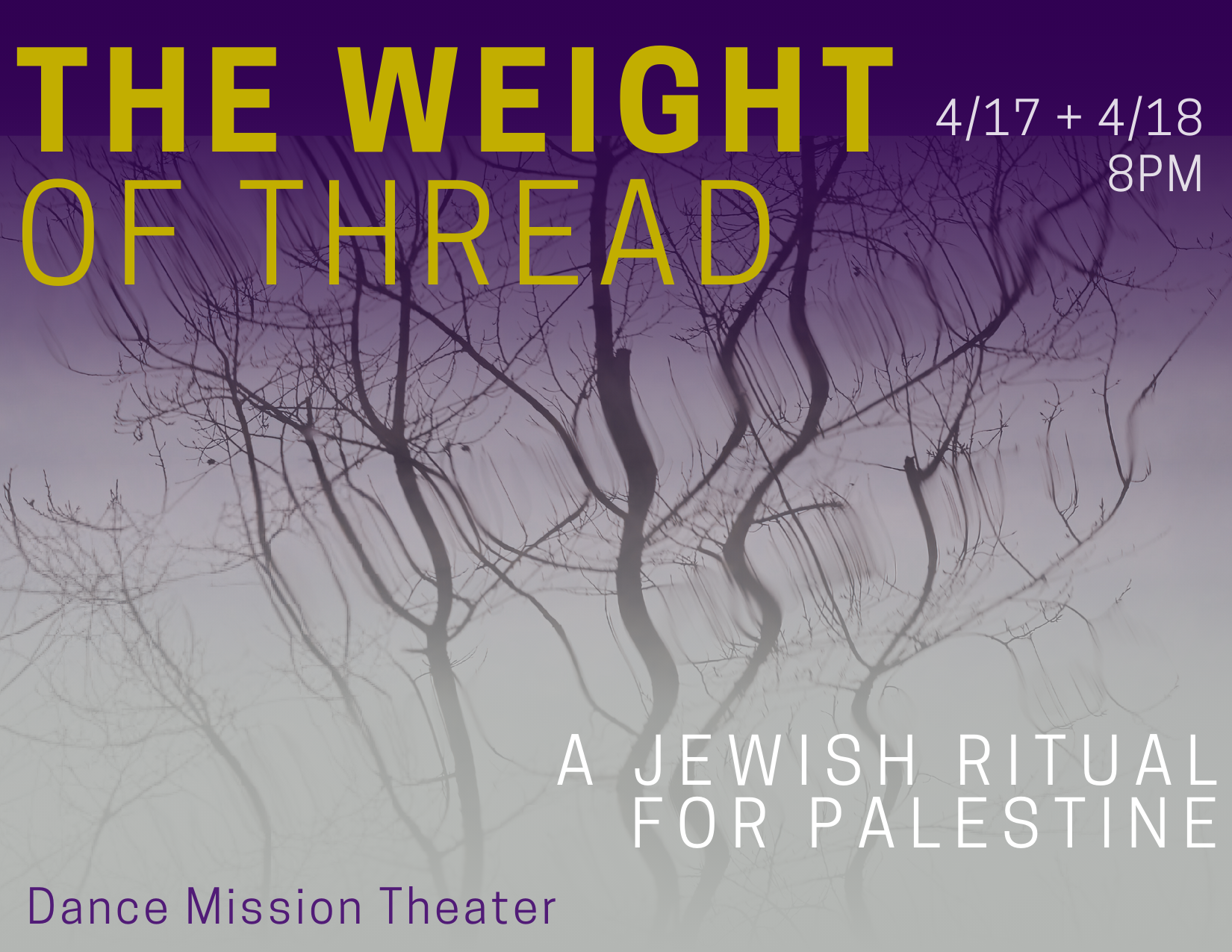
APRIL 17 & 18, 2026 - 8PM
DANCE MISSION THEATER
The Weight of Thread is a dance ritual rooted in Jewish mourning, supplication and resistance traditions, to reckon with grief, rupture, and solidarity in the shadow of genocide. Through dance, live music, poetry, and collective ritual, the work challenges Zionist definitions of Jewishness while affirming Judaism’s anti-genocidal, humanitarian values and expressing kinship with Palestinian liberation. Audiences are welcomed into an intimate, intergenerational community built through dance, music, food, and shared presence.
Choreography: Molly Levy & Stephanie Sherman in collaboration with Anna Greenberg-Gold
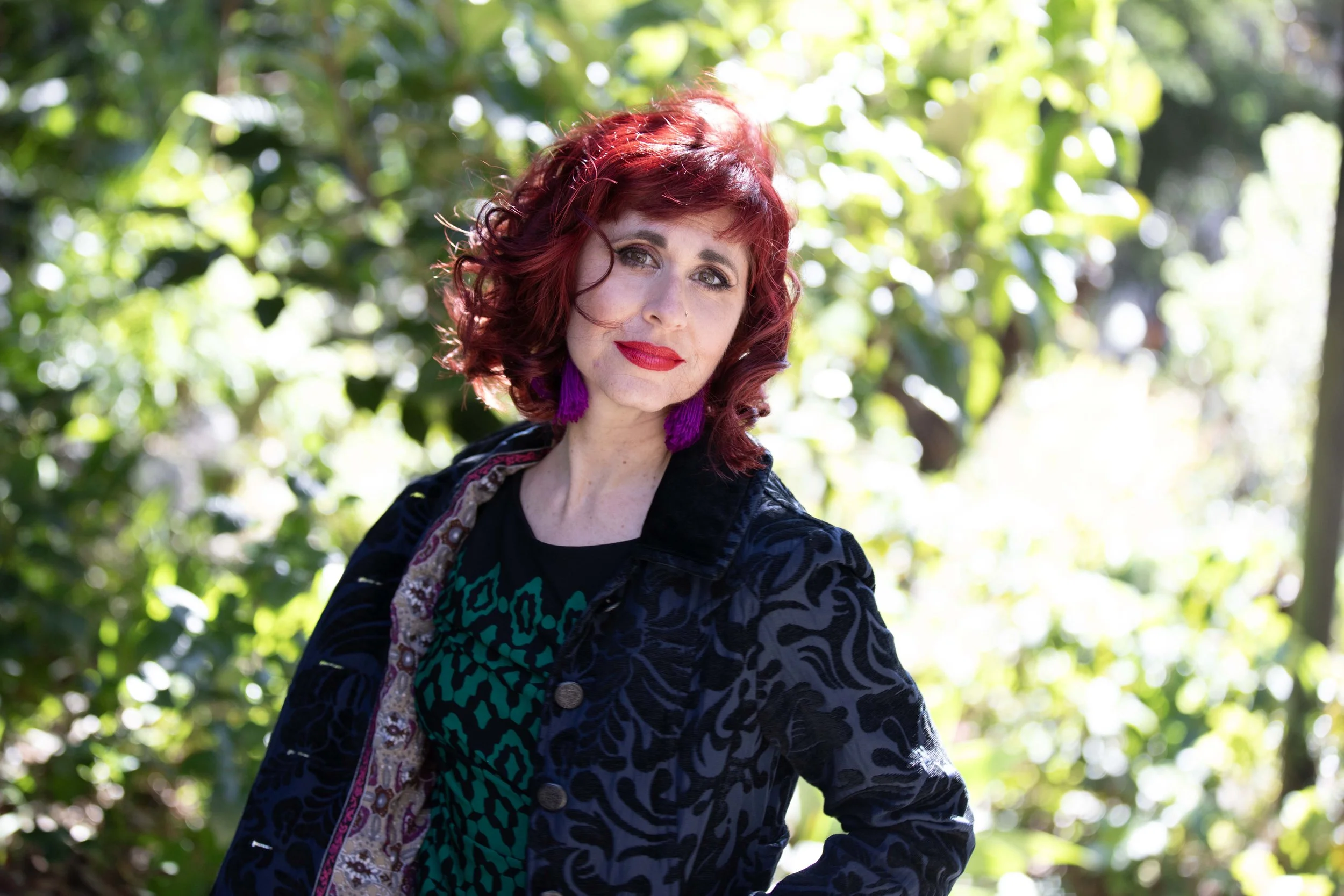
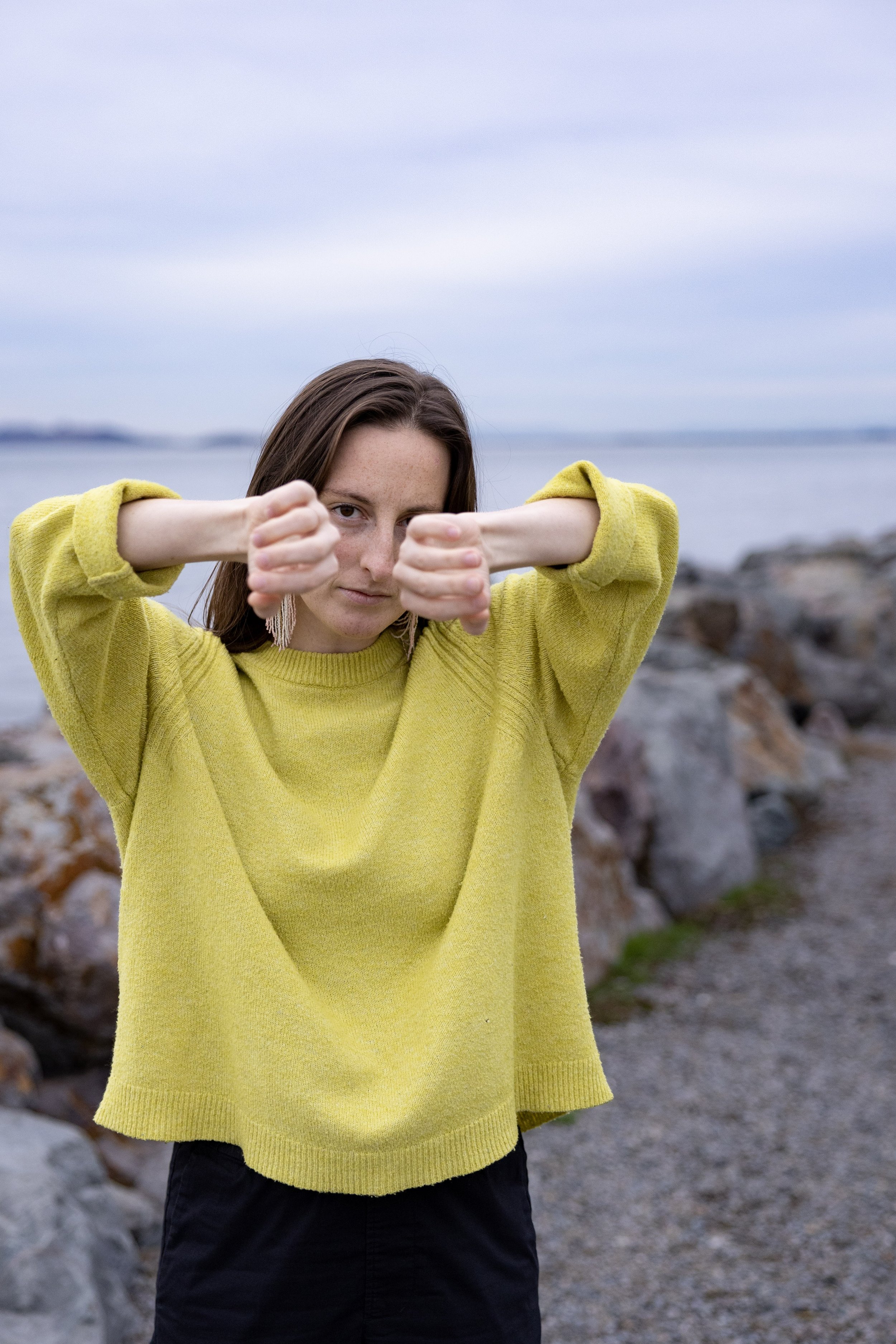
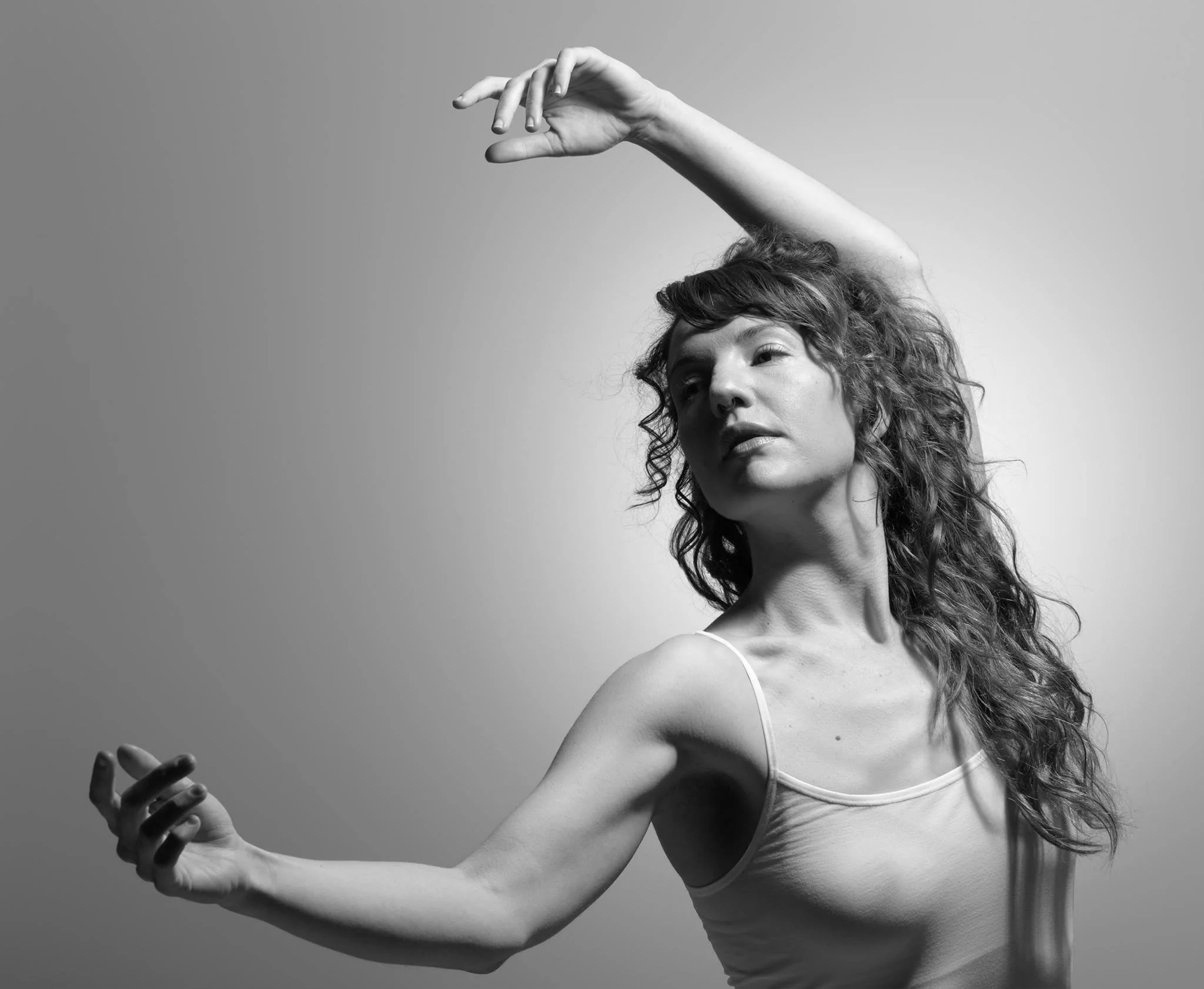
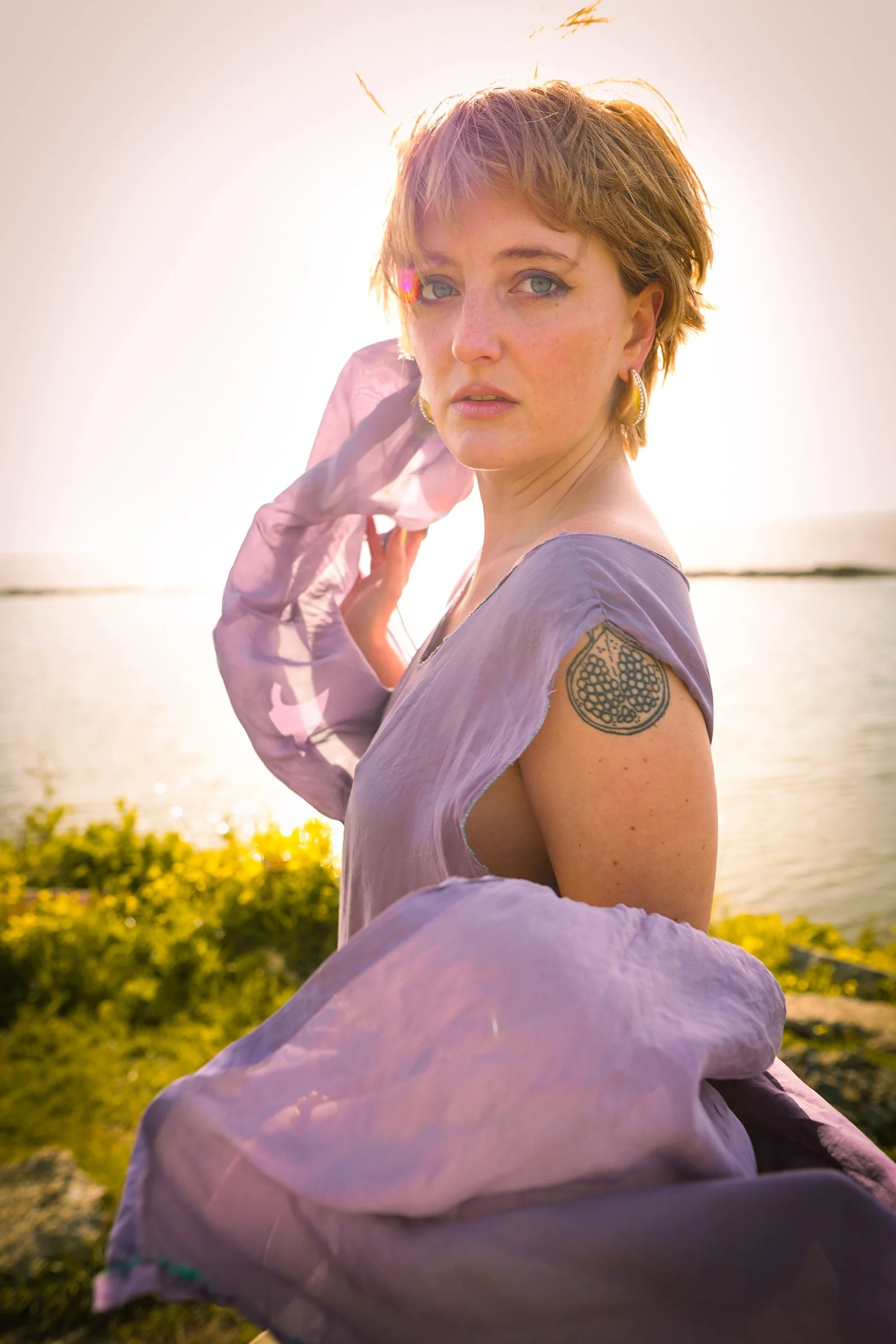
Dance: Anna Greenberg-Gold, Molly Levy & Stephanie Sherman
Original Live Music: Rowan Katz & Hannah Levy
Costumes: Eli Zépeda
Installation and Poetry: Stephanie Sherman & Molly Levy
Supported by SFAC Individual Artist Grant Award
-
Molly and Stephanie met two years ago at a friend’s art salon, connecting over shared Jewish identity, grief over the genocide in Gaza, and distress at seeing Jewishness weaponized to justify mass violence. We both felt called to be present with our Judaism as a responsibility to the current moment. We were craving a space for community, connection, and healing that could hold affirmation of Jewish humanitarian values, the interconnectedness of Jewish ancestral grief and Palestinian devastation – believing deeply that healing generational traumas in the Jewish community is a necessary part of ending cycles of violence. We were both turning towards dance and writing to navigate our feelings and our own healing. From this emerged the desire to create a dance that reconnected to our Jewish roots and values of humanism, empathy, liberation, and doykeit (“hereness,” a Yiddish principle of diaspora), grounded in practices that long predate Zionism and remain deeply embedded in Judaism.
Our process has been nonlinear, messy, and, at times, deeply challenging. How do you address something so vast and devastating through dance? How do you invite audiences with divergent beliefs into a shared space without flattening complexity or retreating into ambiguity? As Jews, we feel a responsibility to remain in dialogue within our Jewish communities—even when we deeply disagree about genocide or Palestine—because we believe that doing the painful work of internal healing is part of the decolonizing process. Our Jewish identities are wrapped up in the occupation of Palestine, and this is the uncomfortable, non-neutral place from which we dance, in solidarity with a people whose trauma is inextricably connected to ours.
-
This project is more than a two-night dance performance. It is an act of family building in the face of forces that tear families apart. Zionism has caused deep ruptures within Jewish families and between Jews, Palestinians, and others.
In response, we began intentionally cultivating a Jewish and Jewish–Palestinian family that we hope will endure far beyond this performance. Over the past ten months, we have hosted a series of intimate community dinners with artists, activists, and educators seeking space for care, healing, and honest conversation around painful and complex questions. Some gatherings were exclusively Jewish; others brought Jews and Palestinians together. All were grounded in mutual support, vulnerability, and listening.
Elements of the performance draw directly from the lived experiences and relationships formed through these dinners. For us, it was essential to go beyond inviting people to watch a dance and instead build a sustainable community rooted in mutual care—one that existed before the performance and continues afterward.
These family dinners are not ancillary; they are integral to the work itself. In attending The Weight of Thread, you are not simply an audience member—you are being welcomed into our family.
-
All elements of The Weight of Thread reflect deep attention to Jewish ancestral legacies and values of human dignity and collective responsibility.
Musicians Rowan Katz and Hannah Levy collaborated closely with the dancers to create a live original score that draws from Jewish prayers and tkhines, and Yiddish folk music and protest songs while reflecting each collaborator’s lineage and lived experience. As radical Jewish music scholars, Rowan and Hannah paid particular attention to the politics of language and sound.
Costume designer Eli Zépeda created garments inspired by the dancers’ Jewish women ancestors who embodied strength, care, and humanitarian values. Each costume evokes a different lineage and historical moment, honoring the past while animating it in the present.
-
Item description